SIM Deactivation Guide: Validation, Activation, & Permanent
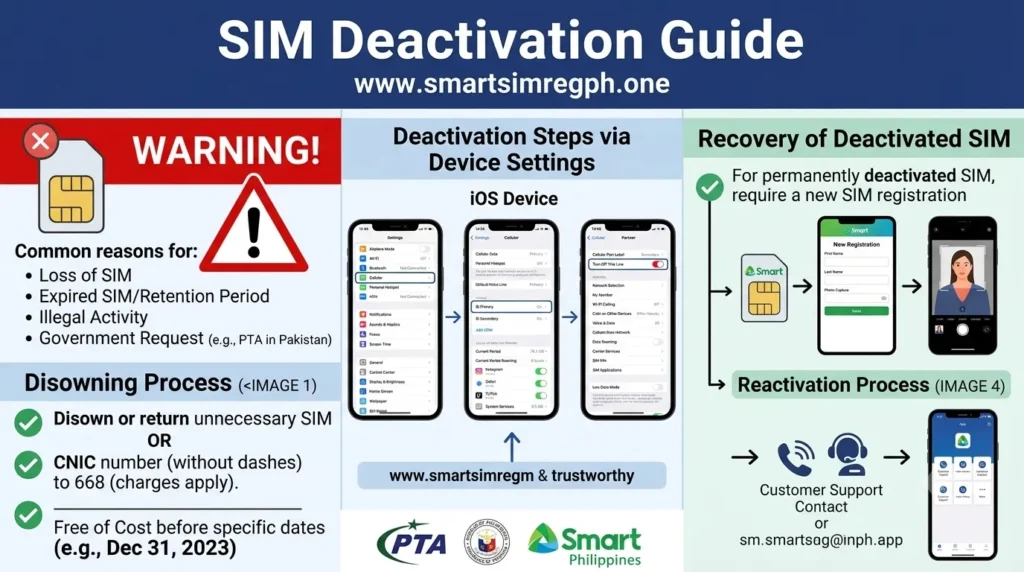
A SIM card goes through several stages before and after it is used on a mobile network. It is first validated, then activated, and may later be suspended or permanently deactivated depending on different circumstances. Understanding this process helps users manage their mobile service, avoid unnecessary charges, and protect their personal information.
SIM Card Lifecycle Overview
| Stage | Description |
|---|---|
| SIM Validation | Confirms the customer’s identity before activation. |
| SIM Activation | Enables calling, messaging, and mobile data services. |
| Active Usage | The SIM operates normally on the network. |
| Temporary Suspension | Services are temporarily restricted while the SIM remains available for future use. |
| Permanent Deactivation | The SIM is permanently disabled and cannot normally be restored. |
What Is SIM Validation?
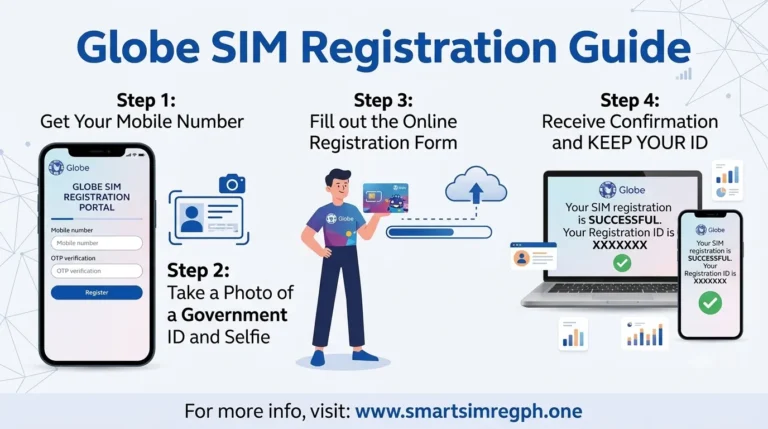
SIM validation is the process of confirming that a SIM card belongs to the correct customer before it becomes active.
During validation:
- Customer identity is verified.
- Registration details are checked.
- The SIM is linked to the correct subscriber.
- Validation helps prevent fraud and unauthorized network access.
Only after successful validation can the SIM move to the activation stage.
How SIM Activation Works
Once validation is complete, the mobile operator activates the SIM card.
After activation, users can:
- Make phone calls
- Send SMS messages
- Use mobile data services
The network automatically updates the SIM status, allowing the customer to begin using mobile services.
Why SIM Cards Are Deactivated
Telecom providers may deactivate a SIM card for several reasons.
Common reasons include:
- Long periods of inactivity
- Customer request for cancellation
- Fraudulent or suspicious activity
- Expired prepaid service
- Regulatory or compliance requirements
- Incorrect or incomplete customer registration
Each operator follows its own policies when deciding whether a SIM should remain active.
Temporary Suspension vs Permanent Deactivation
These two actions are different and should not be confused.
| Temporary Suspension | Permanent Deactivation |
|---|---|
| SIM can usually be used again later. | SIM is permanently disabled. |
| Services are temporarily restricted. | Mobile services stop completely. |
| Suitable when the SIM may be needed again. | Used when the service is no longer required. |
Users who may need the SIM in the future often choose temporary suspension instead of permanent deactivation.
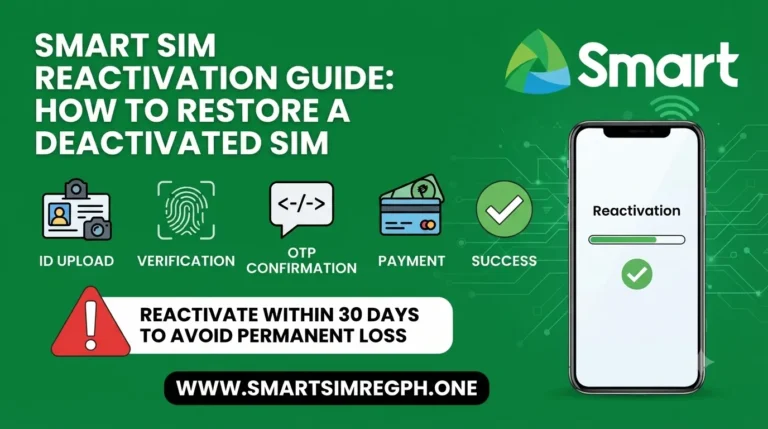
What Happens During SIM Deactivation?
When a SIM is permanently deactivated:
- The network changes the SIM status from active to inactive.
- Calls, SMS, and mobile data services stop working.
- The SIM generally cannot be restored.
- The phone number may eventually be recycled according to the operator’s policy.
Because permanent deactivation cannot normally be reversed, users should consider the decision carefully.
Billing Considerations
Removing a SIM card from a device does not necessarily end service or billing.
Keep these points in mind:
- Simply removing the SIM may not stop charges.
- A SIM that reconnects to the network may still generate usage.
- Proper deactivation helps avoid unexpected billing.
Understanding how your provider handles billing is important before requesting permanent deactivation.
Account and Contract Considerations
SIM deactivation may not always be immediate.
Some providers treat permanent SIM deactivation as an account cancellation. If the SIM is linked to an active contract, customers may still need to follow the provider’s cancellation process before the service can end.
In some situations, service restrictions may be available instead of full cancellation.
Service Restrictions as an Alternative
Instead of permanently deactivating a SIM, some providers allow temporary service controls such as:
- Blocking outgoing calls
- Blocking outgoing SMS messages
- Disabling mobile data
- Restricting certain network services
These options help prevent SIM usage while keeping the account active.
Benefits of Proper SIM Management
Managing a SIM correctly offers several advantages.
- Improves network security
- Helps reduce identity theft
- Prevents misuse of telecom services
- Supports regulatory compliance
- Gives users better control over mobile services
Key Takeaways
- SIM validation confirms customer identity before activation.
- A SIM becomes active only after successful validation.
- SIMs may be temporarily suspended or permanently deactivated.
- Permanent deactivation is generally irreversible.
- Temporary restrictions can be a suitable alternative for users who may need the SIM again.
- Understanding billing and account policies helps avoid unexpected charges.